
Services
What we treat, and how a treatment actually works.
No two premises are the same, so every job starts with an inspection. What follows is what you can expect from each service, what we need from you beforehand, and how often it should be repeated to stay on top of the problem.
Rodent eradication
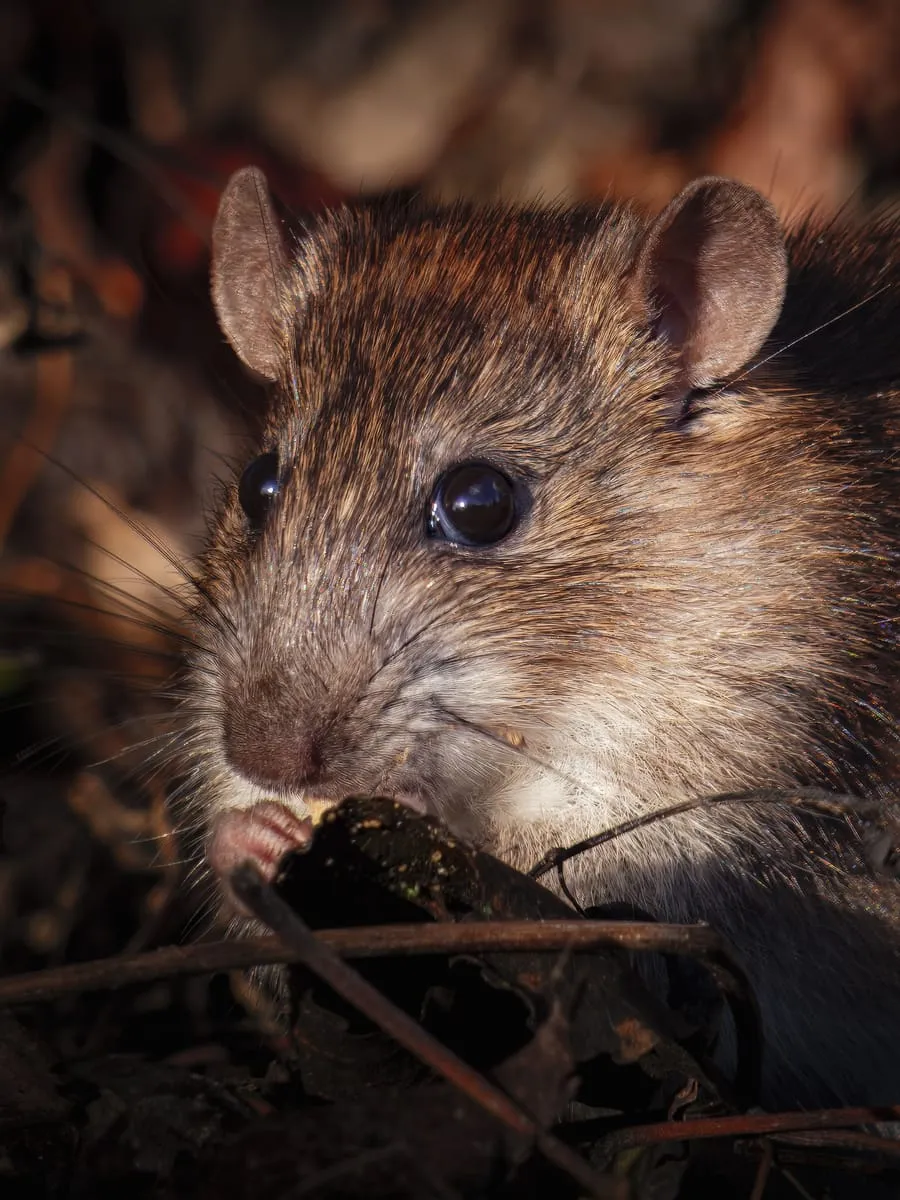
Rats and mice are the most common call we get, and the most commonly mistreated. Scattering bait where the droppings are does very little, because the problem is almost always somewhere else: a run behind a wall, a gap under a roller door, a pallet stacked against the outside of a building.
We inspect first, find the runs and the entry points, then bait and trap along them. Proofing is part of the job rather than an extra, because sealing the way in is what stops the same population walking back in next season.
Always quoted after an inspection.
What a treatment involves
- Inspection of the building and its perimeter to find runs, harbourage and entry points
- Tamper-resistant bait stations placed along active runs, away from children and food
- Snap trapping indoors where bait is not appropriate
- Proofing of gaps, vents and door seals
- A follow-up visit to check take-up and remove carcasses
What you need to do beforehand
- Clear stock away from walls so we can reach the runs
- Tell us where children, pets or livestock spend time
- Move open food into sealed containers
- Keep bins closed and off the ground until the follow-up
How often to repeat
Every 3 months
That cycle suits commercial premises. Households usually need treatment only when there is a problem, though a quarterly arrangement is worth it if you back onto scrub or the lagoon.
Insect control
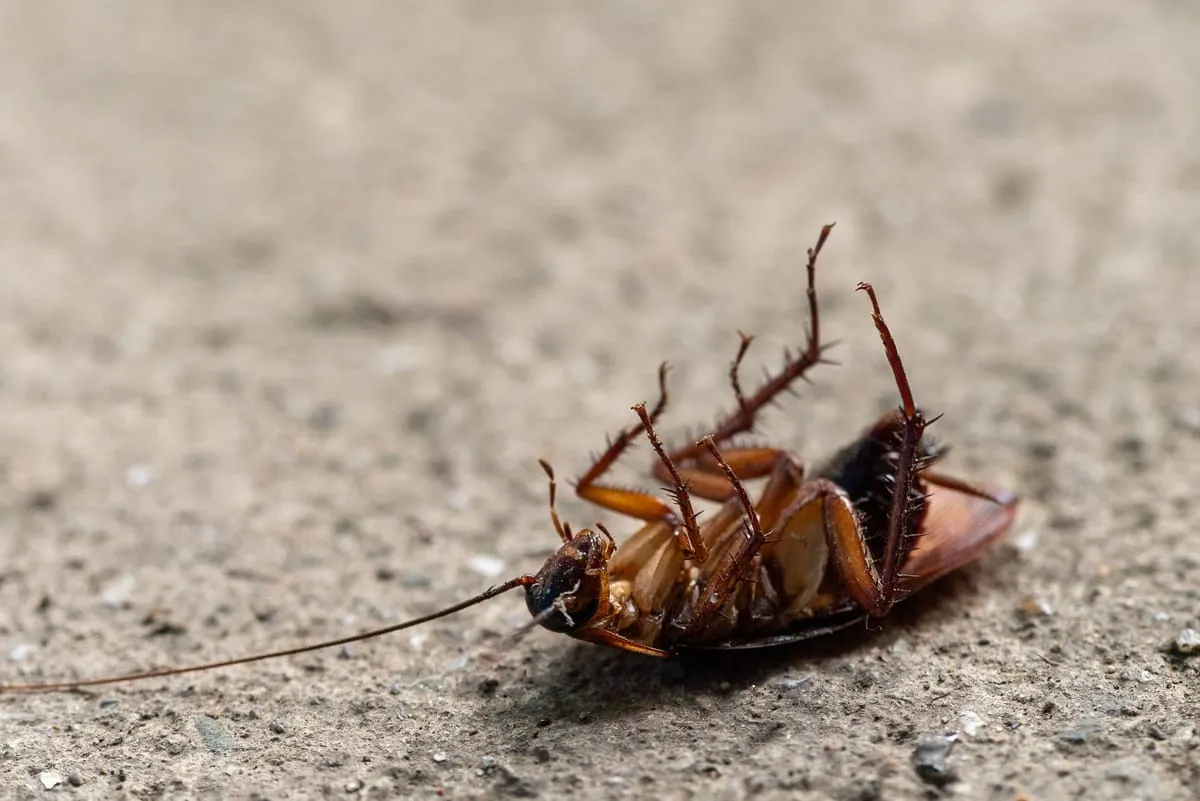
Cockroaches, ants and mosquitoes each need a different approach, and the one thing they have in common is that spraying where you saw the insect rarely fixes anything. Cockroaches live in warm cavities near water, ants follow a trail back to a nest that may be outside the building entirely, and mosquitoes breed in standing water within a short flight of your door.
We treat the harbourage and the breeding site, use gel baits where a spray would be unsafe around food, and tell you which standing water on your property needs to go.
Always quoted after an inspection.
What a treatment involves
- Identification of the species, because the treatment differs
- Residual spray to skirtings, cavities and harbourage points
- Gel bait in food preparation areas where spraying is not appropriate
- Outdoor treatment of nests, drains and breeding sites
- A written note of the standing water and entry points you should deal with
What you need to do beforehand
- Clear benches and empty the lower cupboards we will be treating
- Cover or remove fish tanks and pet bowls
- Plan to stay out of treated rooms for two hours while the spray dries
- Do not mop skirtings for a week afterwards, or you will remove the residual
How often to repeat
Every 3 to 6 months
Restaurants and takeaways are best on the three month cycle. Households can usually stretch to six unless the neighbours have an untreated problem.
Fumigation

Fumigation is the heaviest thing we do and the one that needs the most planning from both sides. It is the right answer for a wholesaler with infested stock, a container arriving with a problem inside it, or a building where an infestation has gone past what spraying and baiting can reach.
The premises must be sealed and empty of people and animals for an agreed period, and it cannot be reoccupied until we have ventilated and cleared it. We schedule around your trading hours and confirm the clearance time in writing before we start.
Always quoted after an inspection.
What a treatment involves
- On-site inspection and a written plan with agreed timings
- Sealing of the premises, container or stock
- Application by a trained operator with controlled product
- An exposure period during which nobody enters
- Ventilation, clearance testing, then written sign-off before reoccupation
What you need to do beforehand
- Arrange for all people, pets and livestock to be out for the full period
- Remove or seal food that is not the target of the treatment
- Notify neighbouring tenants and any staff rostered on
- Turn off air conditioning and close all openings
How often to repeat
By arrangement
Fumigation is not a routine cycle. It is used when an infestation warrants it, or when incoming stock requires treatment on arrival.
Tell us what you are dealing with.
Describe the problem and we will reply with a real answer, not another round of questions.
Get a free quote